
Spring Mental Health Tips in North Vancouver | Therapist Guide
Spring Mental Health Tips from a North Vancouver Therapist
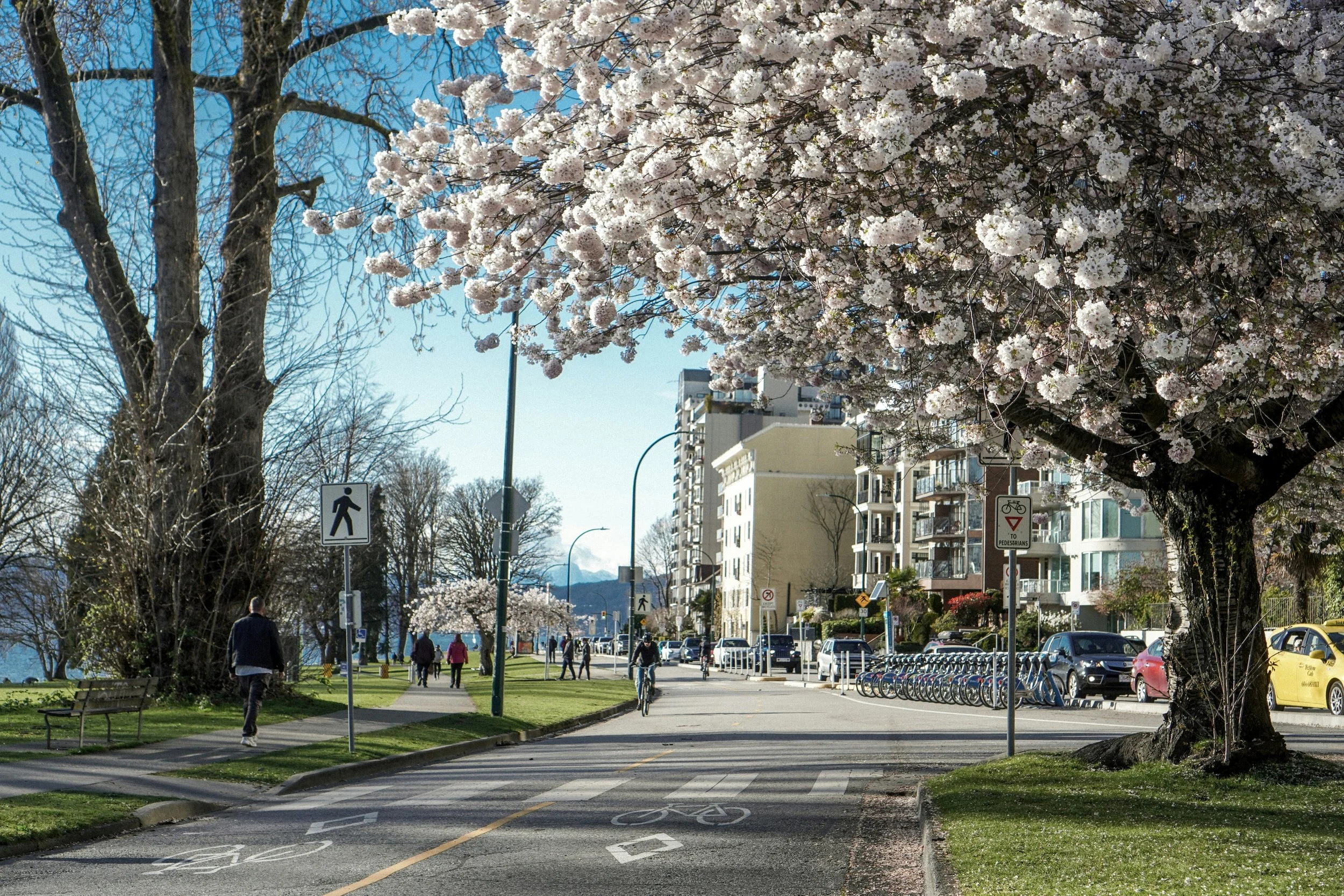
Spring in Vancouver| Cherry blossoms blooming
Spring has arrived, and with it comes longer days, more sunlight, and a renewed sense of energy. At Soma Counselling, we often notice that seasonal transitions can have a big impact on our mental this year, changes to British Columbia’s time system can mean more stability for your daily routines.
Whether you’re experiencing seasonal low mood, stress, or simply want to make the most of the longer days, understanding how these environmental shifts affect your mental health (both positively and potential impacts) is the first step toward positive change.
So Why Do Seasonal Changes Affect Mental Health?
Human beings are governed by an internal clock called the circadian rhythm, which regulates sleep, energy, hormone production, and emotional balance. The most important factor influencing this rhythm is light exposure.
During the winter months in North Vancouver, shorter days and less sunlight can disrupt sleep and mood. Many clients report:
Lower energy levels
Increased irritability or anxiety
Difficulty focusing
Seasonal depressive symptoms
These patterns can be especially noticeable for those prone to Seasonal Affective Disorder (SAD). As spring arrives, longer daylight hours help reset your internal clock, boost serotonin production, and naturally improve mood.
How Longer Days Improve Mood?
Longer daylight hours in spring offer several mental health benefits:
Improved sleep patterns: More natural light during the day helps regulate melatonin at night.
Increased physical activity: Evening sunlight encourages walking, hiking, or outdoor exercise in local parks (some parks I enjoy are Lynn Canyon Park or Capilano Suspension Bridge Park.)
Better social connection: Longer evenings allow for more time with family and friends, which is a key factor in emotional well-being.
Enhanced mood: Natural light exposure directly supports serotonin production, reducing feelings of anxiety or low mood.
By paying attention to your environment and taking advantage of daylight, you can support your emotional and physical health during the seasonal shift.
But What About the New Time System for BC?
British Columbia has recently moved to a permanent Pacific Time system, eliminating the twice-yearly clock changes. Research shows that even a one-hour shift can temporarily disrupt sleep and circadian rhythms, increasing fatigue, irritability, and stress.
By maintaining a consistent time schedule, your body can stay aligned with natural daylight patterns, which improves:
Sleep quality
Emotional regulation
Energy levels
Overall mental resilience
This is especially beneficial for residents of Vancouver who want to maintain stable routines and support mental health year-round.
But Let’s Also Look At The Possible Mental Health Challenges of the Time Change
While creating a stable time system has many benefits, it’s also important to acknowledge that any shift in our relationship with daylight can affect people differently. For some individuals in British Columbia, the transition to a permanent version of Daylight Saving Time may bring a few challenges.
1. Darker Winter Mornings
One potential drawback of remaining on a daylight-saving schedule year-round is that winter mornings may stay darker for longer. Reduced morning light can make it harder for the body’s internal clock (remember the Circadian Rhythm) to fully “wake up.”
Morning light plays an important role in regulating alertness, mood, and energy. When sunlight exposure is delayed, some people may experience:
Difficulty waking up
Lower morning energy
Increased feelings of sluggishness
Temporary disruptions in sleep patterns
For individuals already sensitive to seasonal changes, this could slightly increase vulnerability to conditions such as Seasonal Affective Disorder.
2. Adjustment Periods
Even though the long-term goal of eliminating clock changes is greater stability, the transition period itself can still require adjustment. When daily routines shift, even by an hour, our biological rhythms may take several days to recalibrate.
During this period, people sometimes notice:
Changes in sleep quality
Mild fatigue
Temporary irritability
Difficulty concentrating
These effects are usually short-lived but can still feel noticeable in the first week of adjustment.
3. Mismatch Between Social and Biological Time
Some sleep researchers have raised concerns that permanent daylight saving time can create what is known as “social jet lag.” This occurs when social schedules such as work or school start times don’t fully align with the body’s natural biological rhythm.
When this happens, individuals may experience:
Feeling tired despite adequate sleep
Difficulty falling asleep earlier
Reduced alertness in the morning
For people who already struggle with sleep or anxiety, these misalignments may temporarily affect emotional regulation.
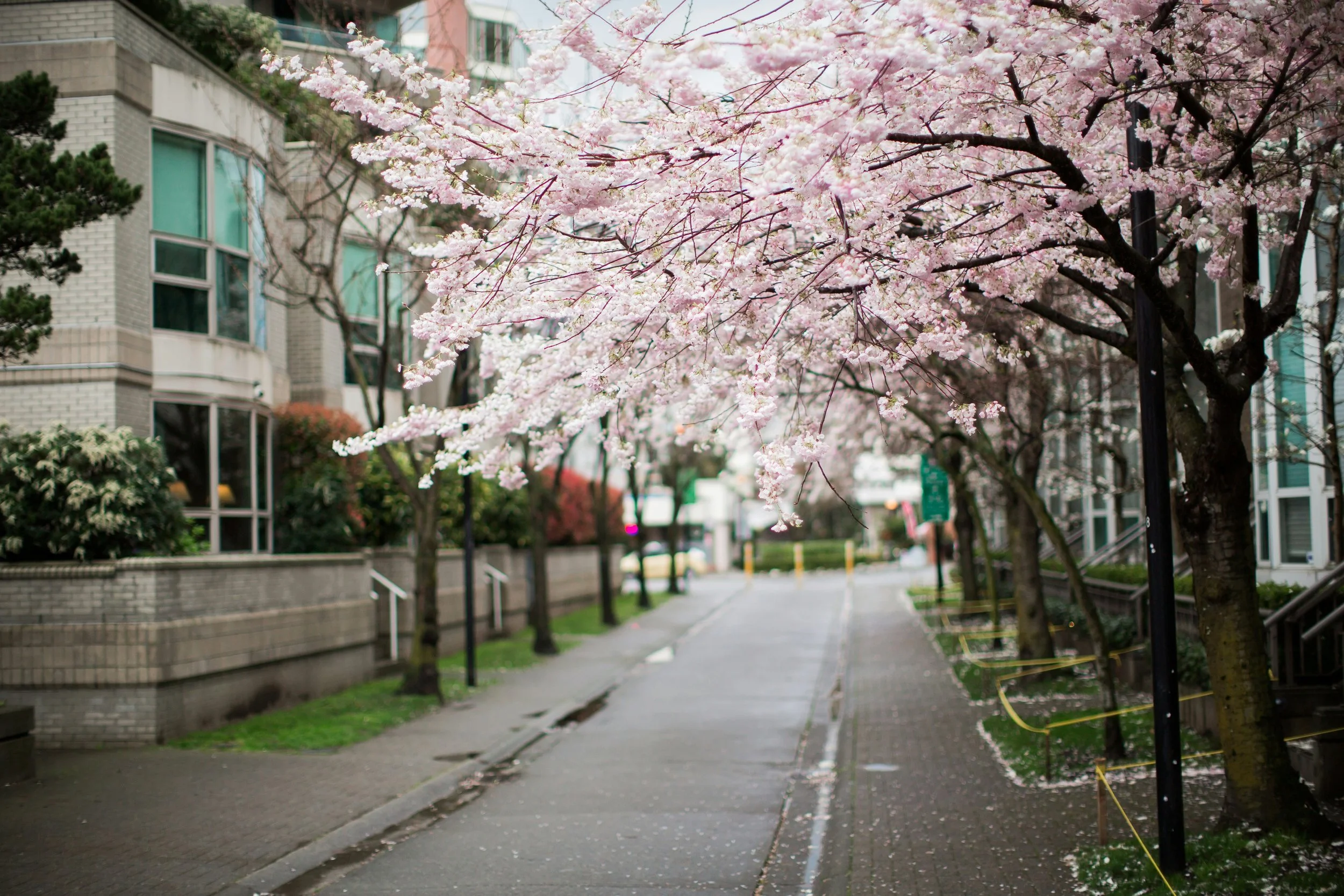
Cherry blossoms blooming in North Vancouver
Finding Balance During Seasonal Changes
The good news is that most people naturally adapt to new light patterns over time. As spring approaches and daylight increases across North Vancouver, many of the benefits of longer days begin to outweigh these short-term challenges.
If you find seasonal transitions affecting your mood or sleep, small adjustments can help:
Getting outside in the morning light whenever possible
Keeping a consistent sleep schedule
Spending time moving outdoors during daylight hours
Practicing mindful self-care during seasonal transitions
At Soma Clinical Counselling, we encourage clients to approach seasonal change with curiosity and compassion for their own rhythms. Each person responds differently to environmental shifts, and understanding those patterns can be an important step toward supporting mental well-being.

Supporting Your Mental Health This Spring in North Vancouver
Here are some practical strategies to take advantage of the season:
Get Morning Sunlight: Spend 10–20 minutes outside in the morning to reset your circadian rhythm.
Move Your Body Outdoors: Walk, hike, or practice yoga in nearby parks to boost mood and reduce stress.
Maintain Consistent Sleep Routines: Go to bed and wake up at the same time daily (I know this can be a tough one!)
Reconnect Socially: Longer evenings provide more opportunities for meaningful social interactions.
Practice Mindfulness: Observe seasonal changes, practice staying present.
Counselling Support in North Vancouver
Seasonal changes can be uplifting, but they can also highlight ongoing challenges like anxiety, stress, depression, or burnout. At Soma Clinical Counselling, we provide compassionate therapy to clients in North Vancouver and across the North Shore, helping them:
Manage anxiety and stress
Navigate depression and low mood
Recover from trauma
Address burnout and emotional exhaustion
Therapy offers a supportive environment to explore emotions, develop coping strategies, and improve overall well-being.
At Soma Clinical Counselling, we help residents of North Vancouver take these steps through tailored therapy and compassionate support.

Soma Clinical Counselling North Vancouver Office
Looking for a North Vancouver Therapist?

Hayley Booker
Owner of Soma Clinical Counselling and Registered Clinical Counsellor in North Vancouver

Nina Bell Peters
Registered Clinical Counsellor and Registered Social Worker at Soma Clinical Counselling in North Vancouver
If stress, anxiety, or seasonal changes are affecting your mental health, reach out today. Our team at Soma Clinical Counselling provides professional counselling for individuals across North Vancouver and the North Shore.