Brainspotting Therapy 101: Finding Relief Where Words Fall Short
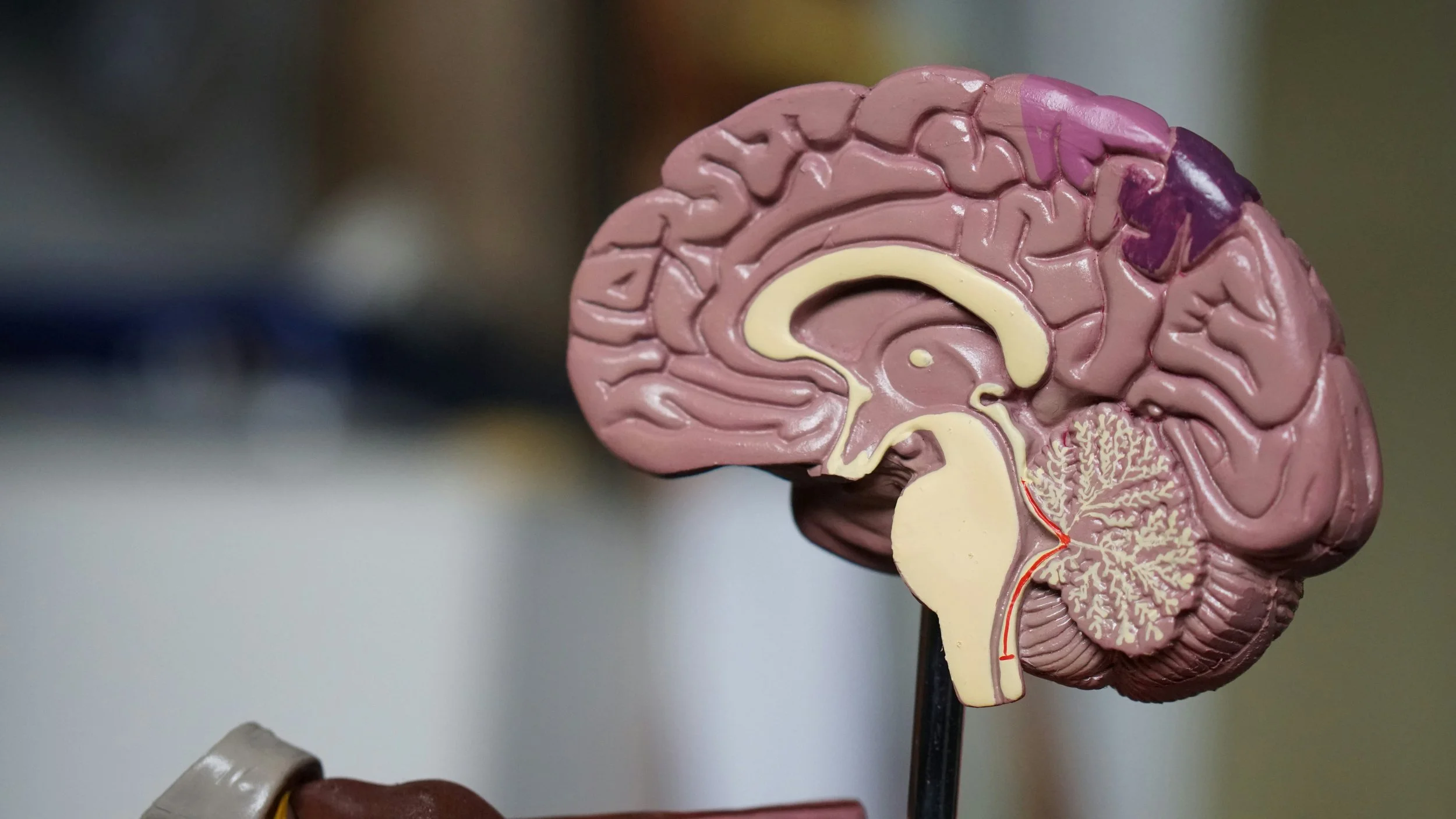
As a trauma therapist, Im always spending any chance I get learning, challenging and re-evaluating the way I show up in session with clients. It is with knowing that much like the belief ‘healing is not linear’, so is our knowledge and expertise in psychotherapy. It is after all, forever changing.
Over the years the way we approach the healing of trauma, especially in correlation to psychotherapy, has drastically changed. Traditional talk therapy, where talking about every detail of a traumatic event until it became almost a story we recite, has been challenged as a uninformed approach to trauma. We have transitioned to safety as a priority, and therapeutic rapport as essential; emotion-focused and somatic based methods as beneficial if not required. But with that, I’ve come to learn talking, feeling our emotions in our body, can only go so far. And this is where my desire to learn and train in Brainspotting emerged.
Brainspotting 101: What is it? And why do you want to use my eyes in therapy?
Brainspotting is a brain-based, trauma-informed therapeutic method that helps access and heal deep emotional pain stored in the body and the brain.
Think of Brainspotting like a portal into our deep nervous systems (Brainspotting believes we have 8 nervous systems by the way!)
Let’s get into the neurobiology of Brainspotting

The neocortex is the part of the brain that is responsible for thinking, logic, language and analysis. It’s where we talk about experiences and try to make sense of them. But trauma and emotional pain are stored deeper in the brain. That is what we call the subcortical and limbic regions. These deeper parts of our brain operate faster than thought.
So how does Brainspotting work?
A Brainspot is a specific eye position that is connected to unprocessed experiences held in the nervous system: “where you look affects how you feel”. When the eyes focus on a particular spot:
The brain accesses neural pathways below conscious thinking.
The nervous system begins processing stored emotional and somatic material.
The neocortex steps back rather than leading the process.
The nervous system begins to reorganize how the experience is stored in the brain
We can complete unfinished stress responses.