

Why Food Feels So Loud: Understanding Food Noise Through a Trauma-Informed and Weight-Inclusive Lens
"Why am I always thinking about food?"
"Why does food take up so much space in my mind?"
"Why can't I stop thinking about what I've eaten, what I should eat, or what I'll eat next?"
If you've ever asked yourself these questions, you're far from alone.
Many people experience what has become known as food noise: a constant mental dialogue about food, eating, weight, calories, cravings, or the rules they believe they should follow around eating.
For some, it's an occasional distraction. For others, it can feel like a full-time job.
At Soma Clinical Counselling, we believe food noise isn't simply about lacking willpower or self-control. More often, it's a signal that your body, brain, and nervous system are trying to communicate something important.
Instead of asking, "What's wrong with me?" we encourage a different question:
"What is my relationship with food trying to tell me?"
Why Is Everyone Talking About Food Noise Right Now?
Over the past few years, the term food noise has become increasingly common, largely because of conversations surrounding GLP-1 medications such as Ozempic®, Wegovy®, Mounjaro®, and Zepbound®.
Many people taking these medications describe something they never expected: "The food chatter just… disappeared."
People often say:
"I'm not constantly planning my next meal."
"I don't think about snacks all day."
"Food isn't controlling my thoughts anymore."
"I finally understand what people mean when they say they just forget to eat."
These experiences have helped many people realize that not everyone lives with constant thoughts about food.
For individuals who have experienced food noise for years, hearing these stories can be validating. It provides language for an experience that often felt invisible, while for some, it can feel like “I need that medication”.
While research suggests GLP-1 medications can reduce appetite and alter the brain's reward and satiety systems, they don't necessarily explain why food became so emotionally or psychologically loud in the first place.
For many people, food noise isn't driven by just one factor. It often reflects an interaction between:
Biology
Genetics
Hormones
Chronic dieting
Trauma
Stress
Emotional regulation
Attachment experiences
Eating disorders
Social messages about body size and worth
Medication may reduce the volume of the thoughts. Therapy helps us understand what those thoughts were trying to accomplish in the first place.
What Exactly Is Food Noise?
Food noise refers to persistent, repetitive thoughts about food that can feel difficult to ignore.
It may sound like:
"What should I eat?"
"I shouldn't have eaten that."
"I'll start again tomorrow."
"I deserve something sweet."
"I've ruined the day."
"How many calories was that?"
"Should I be hungry yet?"
"Can I eat this?"
"Why can't I stop thinking about food?"
Food noise can also look like:
Constantly planning meals
Obsessively reading nutrition labels
Replaying what you ate earlier
Feeling guilty after eating
Worrying about eating in social situations
Frequently checking your body
Thinking about food even when you're physically full
These thoughts are often misunderstood as a lack of discipline. In reality, they're usually much more complex.
Food Noise Isn't Just About Hunger
One of the biggest myths is that people experiencing food noise simply have more cravings. Often, food noise has very little to do with physical hunger.
Instead, food can become connected to:
Safety
Comfort
Predictability
Emotional regulation
Control
Relief from stress
Connection
Protection from painful emotions
This doesn't mean the food thoughts are "all in your head." It means food has become intertwined with your nervous system's attempts to help you survive.
Looking Through a Nervous System Lens
Our nervous system is constantly asking one question: "Am I safe?"
When we've experienced chronic stress, trauma, neglect, bullying, weight stigma, or unpredictable environments, our nervous system can remain in survival mode.
Food is one of the earliest ways humans experience comfort. Before we understood language, food represented nourishment, soothing, closeness, and safety.
As adults, our nervous system may continue reaching toward food when it senses distress, not because we're weak, but because it remembers that food once helped regulate overwhelming experiences.
Food noise often becomes louder during:
Trauma
Burnout
Anxiety
Loneliness
Relationship conflict
Major life transitions
Chronic stress
Restriction and dieting
The louder the nervous system becomes, the louder food may become.
Food Noise Through an Emotionally Focused Therapy (EFT) Lens
Emotionally Focused Therapy teaches us that emotions are not problems to eliminate, they are signals.
Food noise can be understood as an emotional messenger.
Instead of asking: "How do I stop thinking about food?"
EFT invites us to ask:
What emotion appeared before this craving?
What happened today?
What need isn't being met?
What feels unsafe?
What am I longing for?
Many people discover that underneath food noise are emotions they have spent years trying not to feel.
These may include:
Shame
Loneliness
Fear
Grief
Rejection
Exhaustion
Not feeling "good enough"
Food often becomes the strategy, not the problem.
Food Noise Through an Internal Family Systems (IFS) Lens
IFS suggests we all have different parts within us.
One part may constantly think about food because it believes eating keeps us safe. Another part may criticize every bite to protect us from rejection. Another part may binge because it fears scarcity.
These parts are not enemies. They developed for good reasons.
Instead of trying to silence them, therapy helps us understand: "What is this part afraid would happen if it stopped doing this job?"
Compassion often creates more change than criticism ever could.
Attachment Shapes Our Relationship with Food
Our earliest relationships teach us how to soothe ourselves.
When caregivers were inconsistent, emotionally unavailable, critical, or unpredictable, many people learned to meet emotional needs in other ways.
Food may become:
A reliable source of comfort
A way to feel in control
A distraction from painful emotions
A source of predictability during chaos
This isn't a character flaw. It's an adaptation.
Understanding attachment helps us move away from self-blame and toward self-understanding.
Curious about healing your attachment? Learn more about Attachment Therapy here.
Diet Culture Can Turn Up the Volume
One of the greatest contributors to food noise is chronic dieting.
When our brain believes food is scarce, whether because of physical restriction or rigid food rules—it naturally becomes more focused on food.
This is a survival response. The more we tell ourselves we "can't" have something, the more our brain pays attention to it.
Years of dieting can create a cycle of:
Restriction → Preoccupation → Cravings → Eating → Guilt → More Restriction
The problem isn't a lack of willpower. The problem is that our nervous system is responding exactly as it was designed to.

Health cannot be determined by body size alone.
A Health at Every Size® (HAES®) Perspective
At Soma Clinical Counselling, we recognize the importance of caring for both physical and mental health while also acknowledging that health cannot be determined by body size alone.
The Health at Every Size® (HAES®) framework encourages a shift away from judging health based solely on weight and toward supporting sustainable, compassionate health behaviours. Rather than focusing on pursuing a particular body size, HAES emphasizes respectful care, body diversity, joyful movement, adequate nourishment, and improving overall well-being.
This approach does not mean ignoring medical conditions or suggesting that health looks the same for everyone. Instead, it recognizes that weight is only one of many factors that influence health and that shame, weight stigma, and chronic dieting can negatively impact both physical and psychological well-being.
Many people have spent years believing they must "fix" their bodies before they deserve kindness, confidence, or care. Therapy helps challenge these beliefs while supporting behaviours that promote health in ways that are individualized, sustainable, and aligned with each person's values.
Whether someone is pursuing recovery from an eating disorder, living with a chronic health condition, choosing to use a GLP-1 medication under medical supervision, or simply hoping for a more peaceful relationship with food, they deserve compassionate, non-judgmental support.
Healing Means Understanding the "Why"
Food noise isn't something you need to fight. It's something worth listening to.
Healing often includes:
Regulating the nervous system through somatic therapy
Processing trauma safely
Exploring emotions through Emotionally Focused Therapy (EFT)
Understanding protective parts through Internal Family Systems (IFS)
Challenging shame and perfectionism
Building self-compassion
Developing trust in your body's cues
Creating a relationship with food that feels flexible rather than fearful
As your nervous system begins to experience greater safety, many people notice that food naturally becomes quieter—not because they're forcing themselves to stop thinking about it, but because it no longer needs to carry so much emotional weight.
You Don't Have to Keep Fighting Food
If food feels like it dominates your thoughts, please know this:
You are not weak.
You are not failing.
You are not broken.
Food noise is often a reflection of biology, lived experience, emotional needs, nervous system responses, and the environments we've learned to survive in.
With compassionate, evidence-based support, it's possible to understand these patterns and build a more peaceful relationship with food, your body, and yourself.
At Soma Clinical Counselling, we offer trauma-informed counselling for eating disorders, disordered eating, body image concerns, trauma, anxiety, ADHD, and emotional regulation. Drawing from Emotionally Focused Therapy (EFT), Internal Family Systems (IFS), somatic therapy, attachment theory, and evidence-based eating disorder treatment, we work collaboratively to understand not just the symptoms, but the deeper experiences beneath them.
We provide in-person counselling in North Vancouver and virtual therapy throughout British Columbia, supporting individuals wherever they are in their healing journey.
A Moment of Reflection
As you finish reading, you might take a moment to ask yourself:
When did food first become something I had to manage, control, or fear?
What happens in my life when the food noise becomes louder?
If food wasn't taking up so much space in my mind, what would I have more room for?
What emotions or needs might my relationship with food be trying to communicate?
These aren't questions to judge yourself with, they're invitations to become curious. Curiosity is often where healing begins.
What Recovery Can Look Like from food noise
Recovery doesn't necessarily mean never thinking about food again.
Instead, it might look like:
Eating without constantly negotiating with yourself.
Trusting your body instead of fearing it.
Having the flexibility to enjoy food without guilt.
Feeling less consumed by calories, rules, or body checking.
Recognizing your emotions before automatically turning to food, or away from it.
Feeling more connected to yourself, your relationships, and the life you want to live.
Perhaps most importantly, recovery creates space.
Space for hobbies.
Space for relationships.
Space for rest.
Space for joy.
When food no longer occupies every quiet moment, people often discover parts of themselves that have been waiting patiently underneath the noise.
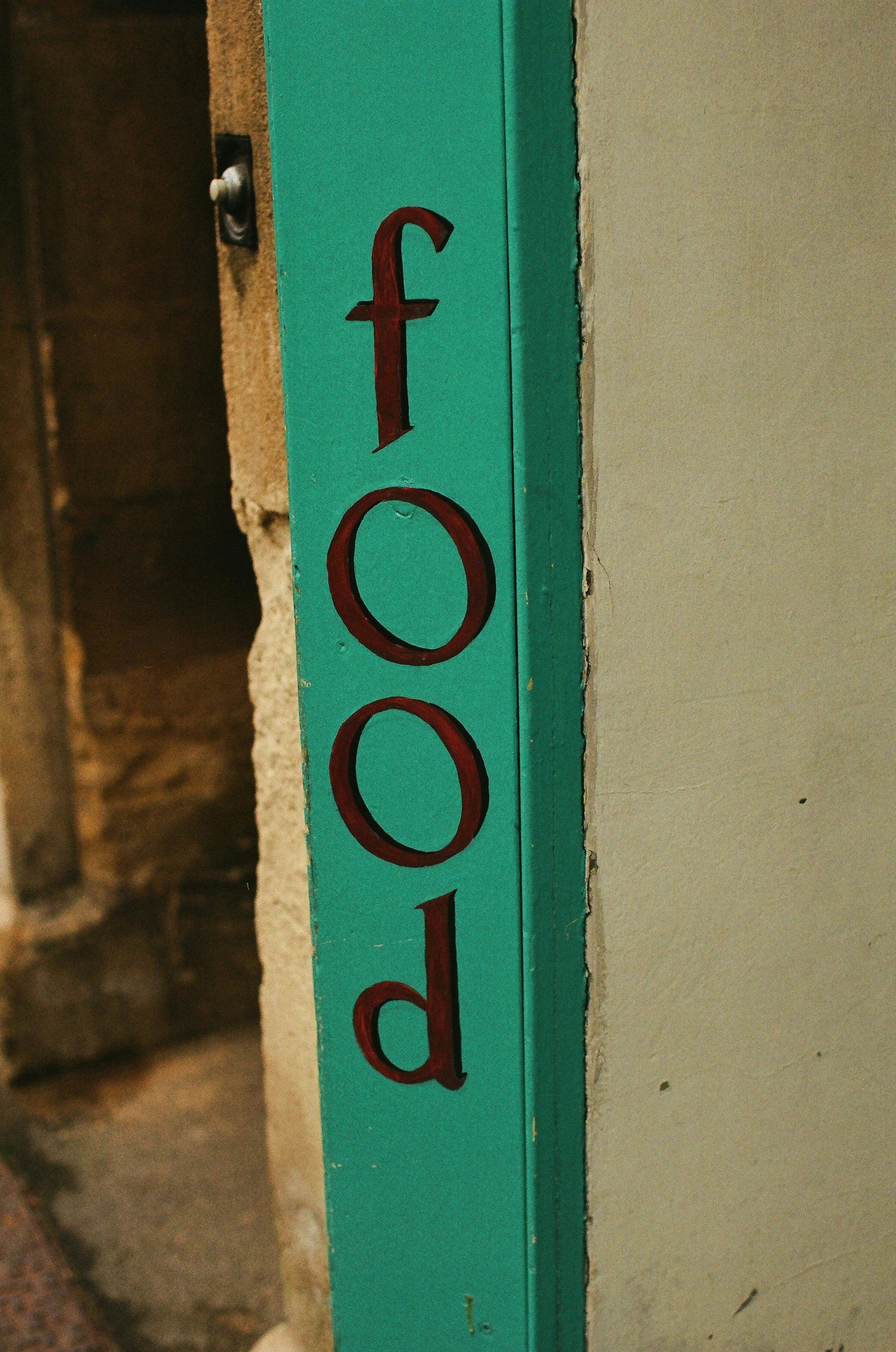
Healing isn’t about fighting yourself
or the food…
Healing Isn't About Fighting Yourself
Many people spend years believing they need more discipline, more motivation, or more self-control.
But lasting healing rarely comes from fighting yourself. It comes from understanding yourself.
Your relationship with food didn't develop in isolation. It has been shaped by your biology, your nervous system, your relationships, your life experiences, and the messages you've received about bodies, health, and worth.
When we approach these experiences with compassion instead of criticism, change becomes possible, not because we're forcing ourselves to be different, but because we're finally addressing the needs that have been asking for our attention all along.
At Soma Clinical Counselling we believe you deserve a relationship with food that feels peaceful rather than exhausting, and a relationship with yourself that is rooted in understanding rather than shame.
Healing is possible, and you don't have to navigate it alone.
Ready to Quiet the Noise?
If you're exhausted by constantly thinking about food, feeling trapped in cycles of guilt and restriction, or wondering why your relationship with food feels so complicated, you don't have to figure it out on your own.
At Soma Clinical Counselling, we understand that food noise is rarely just about food. It's often connected to your life experiences, your nervous system, your emotions, your relationships, and the ways you've learned to cope. Together, we'll explore these patterns with curiosity and compassion, not judgment.
Whether you're exploring recovery, navigating body image concerns, taking a GLP-1 medication and wanting support alongside your medical care, or simply hoping to understand why food feels so loud, we're here to meet you where you are.
Take the First Step
Healing doesn't begin by becoming "perfect." It begins with understanding.
If you're ready to explore a different relationship with food, we'd be honoured to support you.
Book a free 20-minute consultation to learn more about our approach and find the therapist who feels like the right fit for you.
Schedule your consultation today
In-person counselling in North Vancouver | Virtual counselling across British Columbia